

A start-up is a human institution designed to create a new product or service under conditions of extreme uncertainty. -Eric Ries (The Lean Start-up)
The Evolution of ‘Start-up’: A Ubiquitous Term
The word ‘start-up’ is ubiquitous today, but its origins trace back several centuries.
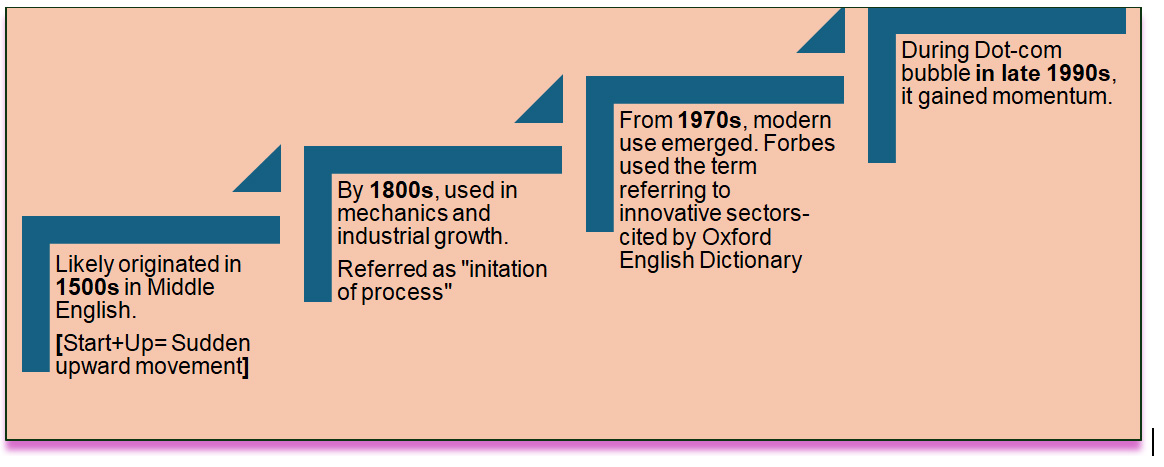
The Indian start-up ecosystem, though not a recent phenomenon, is four decades young. However, it has gained substantial attention over the past decade, thanks to the rise of social media, aggressive use of smartphones and robust support from the government.
The term ‘start-up’ has evolved over centuries, but its relevance has never been greater than in today’s dynamic economy. This article explores the intricacies of building and scaling a startup in India, highlighting challenges, opportunities, and lessons from the ecosystem’s rapid growth.
Startups: A Golden Feather in India’s Economy
India’s startup ecosystem has become a decisive force driving economic growth, innovation, and employment. As of March 31, 2026, the Department for Promotion of Industry and Internal Trade (DPIIT) has recognized over 2,23,000 startups, which have created 23.36 Lakh direct jobs with countless indirect ones.
India’s dynamic demographic profile, massive market, and evolving economy make it one of the fastest-growing hubs for startups. Startups are often hailed as the backbone of innovation, fostering new consumer behaviors fuelled by the widespread use of smartphones and digital platforms. These ventures—driven by visionary founders—are solving unique problems and building transformative solutions.
India has emerged as the third-largest startup ecosystem globally, showcasing diversity across almost every sector of the economy expected to witness YoY growth of a consistent annual growth of 12-15%. Startups recognized by DPIIT address challenges in 56 diverse industrial sectors, with notable contributions from IT services (13%), healthcare and life sciences (9%), education (7%), agriculture (5%), and food and beverages (5%). As of October 3, 2023, India has in its kitty 111 unicorns with a combined valuation of $349.47 billion. Additionally, we are gradually transitioning towards decacorns also.
“In FY23, startups and their corporate counterparts injected a significant USD 140 billion, representing nearly 4% of India’s GDP.
—–froma report by the Confederation of Indian Industry (CII) in 2024”
However, while the potential is immense, the journey is not without hurdles. Entrepreneurs must navigate challenges ranging from securing funding and addressing India’s diverse cultural geography to overcoming complex regulatory framework, building strong management and floor teams, and maintaining a genuine intent to solve real-world problems.

Why FUND is first and foremost barrier for an Innovator!!!
Acronym of FUND represent a business’s financial needs:
- F- Fuel for Growth- Ensuring resources are available to scale and expand the business.
- U- Uninterrupted Operations- Keeping day-to-day operations running smoothly.
- N: New Innovations and Product Development- Funding for R&D for scalability and diversity.
- D: Debt Management and Stability- Maintaining financial stability and managing any debt responsibly.
FIRST FUND
Turning a vision into reality requires funding, and for a founder, securing capital is often the most challenging part of the entrepreneurial journey. The process of raising funds in the real world is far more complex and demanding than the often-simplified reel-life drama. Founders has to first prove the potential of their ideas to attract investors, which involves a series of critical steps:
- Designing prototype-To create a basic model or representation of the product to showcase its functionality and potential value so that evaluation can be done of the tangible item.
- Conducting Feasibility Steps– To validate the technical, financial, and market viability of the idea to assess the challenges, risks, and opportunities associated with the concept.
- Developing a Minimum Viability Product (MVP)– A product with core features to test the acceptance in the market, to gather customer feedback, identify areas for improvement, and demonstrate real-world demand to investors.
This phase is commonly termed as Ideation Stage or Pre-Seed Stage, which require upfront investment to plant the idea. Here the founder resort to bootstrapping by self-finance from personal savings and reaches to Friends and Family (F&F), who believe in the idea.
Names of funding rounds are very interesting. The journey of a startup is akin to nurturing a plant into a flourishing tree. Each funding stage reflects a critical phase in this growth cycle, where the right resources, space, and care are needed to ensure steady progress and survival. How one need space or garden (pre-seed stage) for the seed then invest time in germination of seed (Seed Stage) then at different stage of growth of a plant different fund is involved (Series Stage) so as to flourish it as tree.
As the idea gains traction and shows some developments, then Founder seek for its first external funding from Pre-Seed Investors, such as Institutions, incubators, Angel Investors or High Net worth Individuals. Here, the founder exposes himself to prove and secure the deal with a limited but well-researched idea backed with prototype, feasibility analysis and MVP testing. Pre-Seed investment is a lifeblood and is used to validate, refine, and prepare their product for scalingto inch towards product viability. Here, the foundation is to plant the right seed, which people only need but trust upon and this sets up the stage for sustainable growth. Pre-Seed Round can be multiple depending upon the requirements and results.
Risks for Pre-Seed Investors vis-à-vis Challenges before Founder
Stepping into the shoes of a Pre-Seed Investor, one can acknowledge that the investment carries significant risks due to the fragile and unproven nature of businesses at this stage. The high failure rate—where approximately 80% to 90% of start-ups fail at the ideation stage alone—underscores the uncertainty. Key risks include the founders’ lack of business acumen, low financial visibility, and unsettled management structures. Additionally, overvaluation, mismanagement of funds, and dilution of equity in subsequent funding rounds add further concerns.
Regulatory and legal risks are also prominent, as early-stage businesses often prioritize reaching the revenue stage over building robust compliance systems. Startups at this stage are particularly vulnerable to macroeconomic shifts and external competition, further amplifying the risk. It is pertinent to note that deriving accurate risk assessments based on limited financial, legal, or commercial due diligence at the ideation stage remains a challenging endeavor for investors.
Examples:
- Dunzo: Raised early funding from angel investors to test its hyperlocal delivery model in Bangalore before scaling.
- Curefoods: Secured pre-seed funds to pilot its cloud kitchen operations and assess consumer preferences.
SECOND FUND
After the Pre-Seed round, the brainchild of the founder matures to a stage marked by significant transactions in commercial, financial, legal and other departments, inching closer to the revenue stage. With the product validated, refined, and tested through multiple beta iterations, the innovator is now prepared to transition into the actual market. At this phase, conduct is on a larger scale, like teams for various segments, onboarding mentors, and therefore fat check is required to fuel growth and operations.
The investment round at this stage is termed as the Seed Round or Seed Funding, where funds are raised to scale operations, solidify market presence, and customer acquisition. Prominent players in this funding round include Alternative Investment Funds (AIF),Venture Capitalists (VC), Angel Investors, startup accelerators etc., who provide not only capital but also mentorship, and network access to ensure the startup’s successful market entry. Seed rounds can be multiple basis on requirements.The Seed Round fund mainly consumed for product development, market validation, customer acquisition, operational setup, and team building.
Challenges before Founder vis-à-vis Risks for Seed Investors
After securing the Pre-Seed Round, the Seed Round introduces a new level of challenges to sprout the idea. One of the primary hurdles lies in negotiating the valuation—investors bats on higher risks therefore asks for lower valuation at this stage, considering the still-limited market validation and traction, while founders often present ambitious estimates. Building trust and a credible environment becomes critical. To achieve this, founders must demonstrate a competent team, a sustainable business plan, solid financial projections, practical milestones, and a clear scaling strategy. Maintaining the balance between optimism and realism during commercial discussions often proves challenging for founders.
Once a commercial agreement with investors is reached, the next significant hurdle is the due diligence (DD)findings. The scope of DD expands significantly, encompassing a broader assessment of commercial, financial, and legal transactions, along with scrutiny of the founders’ reputation and their startup’s potential. If the due diligence reports are clear, with no major discrepancies, it becomes relatively smoother to proceed towards signing off the Term-Sheet, drafting and signing of transaction documents. However, if red flagspops-up during the DD process, the deal can stall. Investors may compare the business viability with the identified discrepancies, leading to renegotiations on valuation and the imposition of stricter restrictions on founders’ rights, ownership, and operational transactions. Overcoming these hurdles requires founders to showcase a strong value proposition, articulate their growth potential effectively, and ensure governance and transparency throughout the fundraising process.
In some cases, investors may decline or back out even after reaching a consensus. This is often driven by concerns such as inadequate leadership, lack of execution capabilities, conflicts among co-founders, or unresolved governance issues. Regulatory and legal hurdles—especially in industries with evolving policies—can also cause delays. Additionally, macroeconomic factors, including market downturns or shifts in consumer behavior, can further pressure investor decisions, making Seed Round investments inherently risky.
Examples:
- Zerodha: Used seed funding to establish its brokerage platform and refine customer acquisition strategies.
- Byju’s: Leveraged seed funds to digitize its learning modules and attract its first set of paying users.
THIRD FUND
The third phase of fund requirements, typically named the “Series” round, begins when it is established that the product is consumable in the market. This phase is supported by a strong team, a well-structured business model, a financial roadmap, and the achievement of key milestones from the Seed Round, including revenue generation, operational stability, and scalability. It can be correlated with a seed growing into a tree that has started to bear fruit, albeit in limited quantities. At this stage, the gardener (founder) needs additional resources to nurture the tree further, enabling it to flourish and produce an abundance of high-quality fruits. Based on the funding requirements and the company’s growth trajectory, this phase is typically divided into Series A, B, C, and so on.
Series rounds represent a critical phase for startups, transitioning them from promising ventures to established market players, where the focus shifts from survival to scalability, efficiency, and sustainability. Depending on the level of Series rounds, key players such as VCs, PEs, Corporate Investors, Family Offices, Pension Funds, and Sovereign Wealth Funds often dominate the landscape. Following the use of Seed Round funds to establish the organization, Series Round funds are deployed for marketing, branding, market expansion, technological upgrades, legal support, R&D for product strength and diversification, team building, debt offloading, global expansion, acquisitions,IPO and similar strategic initiatives.
Challenges before Founder vis-à-vis Risks for Series Investors
When the milestones of the Seed Round are achieved, it signifies that the founders have successfully demonstrated their calibre to earlier-stage investors by establishing the business and reaching the revenue generation level. At the Series stage, investors delve deeper into the organization, scrutinizing aspects like tangible business growth, revenue strength, operational stability, and regulatory compliance.Different level of Series investors examines the alignment of founders and their team with the word CULTURE because after SEED round, product will launch in diversified geography of India and abroad.
- C: Community – Understanding the local community and its values.
- U: Uniqueness – Respecting the unique characteristics of each region.
- L: Language – Bridging linguistic barriers.
- T: Tradition – Adapting to regional traditions and practices.
- U: Understanding – Building awareness of diverse customer behaviors.
- R: Relationships – Establishing trust through cultural alignment.
- E: Empathy – Approaching diversity with sensitivity and care.
We will elaborate further about the Cultural challenge later in this article.
Founders often face significant challenges in negotiating valuation at this stage. Their vision, now validated by market traction, must align with the investor’s often conservative estimates. Any undervaluation can harm the organization’s reputation and dent the founder’s credibility. Valuation discussions frequently oscillate between the founder’s ambitious projections and the investor’s cautious approach. In many cases, investors seek superior rights and significant equity stakes to safeguard their interests. To close deals, founders sometimes offer additional concessions, such as advisory shares, without requiring further commitments from investors. Given the larger funding amounts at this stage, investors also tend to monitor the financial management of the organization closely, ensuring no resource leakage and maintaining a strong governance framework.
In the Series Round, the risk factor for investors is significantly heightened as large sums are involved. Key risks include operational mismanagement by the founder and team due to the complexities of scaling operations, navigating diversified markets and cultural landscapes, and adapting to disruptive technologies. Investors also face challenges from a competitive market, shifting consumer behavior, macroeconomic vulnerabilities, increased legal scrutiny, and uncertain exit strategies. For Series investors, the risk-reward dynamic is delicate, requiring careful navigation. Mitigating these risks necessitates thorough due diligence, well-structured contractual safeguards, and an in-depth understanding of the startup’s industry and market dynamics.
Examples:
- Swiggy: Raised Series A to expand its food delivery network and onboard restaurant partners.
- OYO Rooms: Used Series B funds to expand internationally and strengthen its tech platform.
- Flipkart: In its Series D and later rounds, Flipkart raised funds from global investors like SoftBank and Tiger Global to consolidate its e-commerce dominance.
UNDERSTANDING THE FUNDAND VALUATION RANGE UNDER DIFFERENT INVESTMENT STAGES*
| Pre-Seed | Seed | Series | |||
| A | B | C and beyond | |||
| Fund Range ($) | 10k- 2Mn | 100k-5Mn | 5Mn- 35Mn | 20Mn- 500Mn | Unicorns etc. |
| Valuation ($) | 0- 3Mn | 1Mn-10Mn | 5Mn- 20 Mn | 15Mn- 100Mn | 50Mn and above |
Few Sectors specific variations:
a) Tech Startups, (like SaaS, AI, Fintech), needs lowed initial capital requirement due to low physical infrastructure but their Series rounds are larger.
Example:Razorpay, a fintech startup, raised its Series A with modest capital but required larger sums in Series C to scale globally.
b) Capital Intensive Startups, (like Biotech, EVs), demand higher checks at pre-seed stage and seed investments due to equipment, R&D, or regulatory compliance.
Example:Ather Energy, an EV manufacturer, raised significant funds even in its Seed round to set up manufacturing facilities.
c) Consumer focused Startups, (like E-com, Q-com, EdTech), requires higher Seed and Series A rounds to meet their substantial marketing budgets.
Example: Nykaa raised substantial funds during its early stages to build brand recognition in the beauty and wellness sector.
Conquering India’s Cultural Tapestry
As startups progress from the Seed Round to Series Rounds, they move beyond merely establishing a product and an organization to tackling the complexities of scaling. This stage often involves regional and market expansion, requiring founders to demonstrate their preparedness to navigate India’s cultural mosaic effectively.
India’s cultural diversity, often described by the maxim,
“कोसकोसपरबदलेपानी, बीसकोसपरबानी“,
emphasizes the dynamic shifts in preferences, languages, and traditions across short distances. Founders must prove to investors that they, their organization, and their team have the adaptability and acumen to transform these cultural divergences into opportunities.
Key tick boxes for Founders to convince investors, founders must demonstrate their ability to handle the following cultural challenges::
- Varied Consumer Preference along with distinct language
- Socioeconomic, political and cultural deviation
- Different Custom and festive pattern
Such complexities can significantly influence an organization’s operational, product development, and maintenance costs. This is because they require building culturally aware teams, developing region-specific product variations, ensuring compliance with local regulations, and addressing regional sensitivities in branding and marketing.
Some of the risk concerned for investors related to cultural disparities are misalignment risk, brand reputation in different regions, operational inefficiency while diving into different culture, workforce challenge, local competition. Investors scrutinize founders and their teams to ensure they are equipped to mitigate these risks while stabilizing operations in diverse markets. They will evaluate whether founder has any due diligence before expansion, local expertise, KPI monitoring system and cris management plan.
By addressing these factors, founders can reassure investors of their ability to navigate cultural complexities while driving sustainable growth.
Examples:
a. Flipkart- localized E-commerce business and introducing Cash-on-Delivery (COD) to build trust.
b. Zomato/ Swiggy – Understood Regional Food Preferences and tailored its restaurant listings, delivery partners and marketing strategies to suit regional tastes. It introduced multi-language app interfaces.
c. Urban Company (Unrban Clap) – Addressed Local Workforce Dynamics by engaging local service partners to address the cultural challenges.
Last Lap of Challenge- “EXIT PLAN”
In the world of investment, the journey doesn’t adhere to the maxim:
“आएहोअपनीमर्जीसे, लेकिनजाओगेमेरीमर्जीसे“
Even after an impressive pitch and successful funding rounds, investors remain keen on one critical question: What is the founder’s strategy for ensuring a profitable exit for the investors, and how much return can they expect?
Typically, investors have a horizon of up to 5 years for their investment. Founders, therefore, need to present a well-thought-out exit plan that aligns with their financial projections and business strategy. Commonly suggested exit options include:
- IPO
- Strategic Sale/ Third-party sale
- Buy-Back
- Merger
However, the feasibility of these exit options heavily depends on the company’s financial health, growth trajectory, macroeconomic conditions, investor preferences, and the scalability of its business model. A compelling exit plan not only secures investor confidence but also facilitates a smoother transition during the later stages of the startup’s journey.
By setting well-thought-out milestones, proactively engaging with potential buyers, and enlisting experienced advisors, founders can address key aspects of exit strategies. This reassures investors that their capital is not only secure but also positioned for significant returns, ultimately fostering long-term partnerships.
Example:
- Founders of Myntra successfully executed a strategic sale to Flipkart, within 3 years of significant business expansion at a valuation of ₹280 million.
- Flipkart founders executed a deal with Walmart by 77% stake was sold at $16 billion valuation in 2018.
- Zomato went public in 2021 and raised ₹9375 Crores.
- UrbanClap was merged with Urban Company at a $2 billion valuation
The Indian startup ecosystem has witnessed remarkable growth over the past decade, becoming a magnet for global investment in innovation and entrepreneurship. In this context, regulators play a pivotal, almost “fatherly” role in nurturing the ecosystem. Their responsibilities include establishing robust frameworks, addressing emerging challenges, fostering a conducive environment for startups to thrive, and ensuring they remain aligned with ethical and sustainable practices.
The Department for Promotion of Industry and Internal Trade (DPIIT) introduce policies that provide financial and operational support to startups.The Government always actively address the finding challenge by launch of Fund of Fund for Startups through SIDBI or incubation centres setup inside the different campus of technical institutes or colleges. The NITI Ayog has setup Atal Innovation Mission (AIM) to assist Startup in innovation through incubation centres, accelerators and research grants. Relaxation under different compliances of labour law has been relaxed for first few years.
Sector-Specific Regulations: For startups in sectors like fintech, edtech, healthtech, and others, there are different regulators in addition to general regulators. These sector-specific regulators impose certain compliance requirements and disclosures. While these additional compliances may increase operational costs for the company, they are essential for maintaining checks and balances on the practices adopted by startups. Compliant startups are seen more favorably by investors and are better positioned for negotiation.
Examples:
- FSSAI Compliance: The Food Safety and Standards Authority of India (FSSAI) frequently serves notices to platforms like Zomato or Swiggy, asking them to list only partners that have valid registration or licenses. This ensures food safety and consumer protection.
- Regulatory Clashes in Ridesharing: Regulatory policies often clash with the business models of ride-hailing companies like Uber and Ola, which has led to various challenges. TaxiForSure was severely impacted by such regulatory tussles, leading to its eventual shutdown.
- RBI Scrutiny on Paytm: Paytm faced significant regulatory scrutiny from the RBI due to non-compliance with KYC norms, leading to penalties and substantial financial losses for investors, including retail investors.
- TinyOwl Shutdown: TinyOwl, a food aggregator similar to Zomato, shut down due to issues with compliance to FSSAI norms, highlighting the importance of adhering to food safety regulations in the industry.
- ZipGo’s Struggles with Compliance: ZipGo, a private bus provider, also shut down due to its failure to adhere to regulatory compliance requirements, emphasizing the importance of meeting transportation-related regulations.
- RERA Disruption for Housing.com: The introduction of the Real Estate (Regulation and Development) Act, 2016 (RERA) disrupted operations for real estate startups like Housing.com, forcing them to adjust their business model in response to the new regulatory environment.
The Dark side
While the majority of start-ups aim to build legitimate businesses, the pressure to grow rapidly can sometimes lead to unethical practices. Some startups, particularly those in emerging industries, have attempted to exploit regulatory gaps, especially in areas like data protection, cryptocurrency, digital loans, manipulating customer reviews, selling counterfeit products, false or misleading advertisements, and exploiting gig workers. Such unethical practices can have disastrous consequences for startups. Not only can these practices result in legal actions, but they also undermine consumer trust, tarnish the brand’s reputation, and ultimately jeopardize the startup’s survival. Furthermore, they increase compliance costs as regulators impose stricter norms to combat such issues.
As the Indian startup ecosystem continues to evolve, a collaborative approach between regulators, entrepreneurs, and investors will be key to fostering innovation while maintaining ethical standards and legal compliance.
Macro Dynamics: The Unpredictable Pitch for Startups
Some startups fail despite meeting all the “tick marks” of operational, financial, intentional, and strategic metrics presented before investors. The reason behind such failures often lies in macro-level dynamics. These unpredictable factors, akin to the force majeure clause in agreements, include consumer behavior, market trends, political instability, evolving business policies, shifting legal frameworks, and economic or social fluctuations. While these can be assessed based on historical data, they remain inherently volatile and unpredictable.
A product is ultimately made for consumption, and revenue is directly proportional to its adoption by consumers. Consumption, in turn, hinges on the consumer’s needs, assuming trust has already been established. As the adage goes, “Consumer is the King,” and their preferences, perceptions, and purchasing habits can dictate a startup’s success or failure. It’s akin to how a critically acclaimed movie might fail to attract viewers, whereas a commercial film with extensive PR and marketing thrives. Consumers often abandon products when they are overhyped compared to their actual quality, become difficult to use, are priced unjustifiably, or lose trust due to ethical lapses.
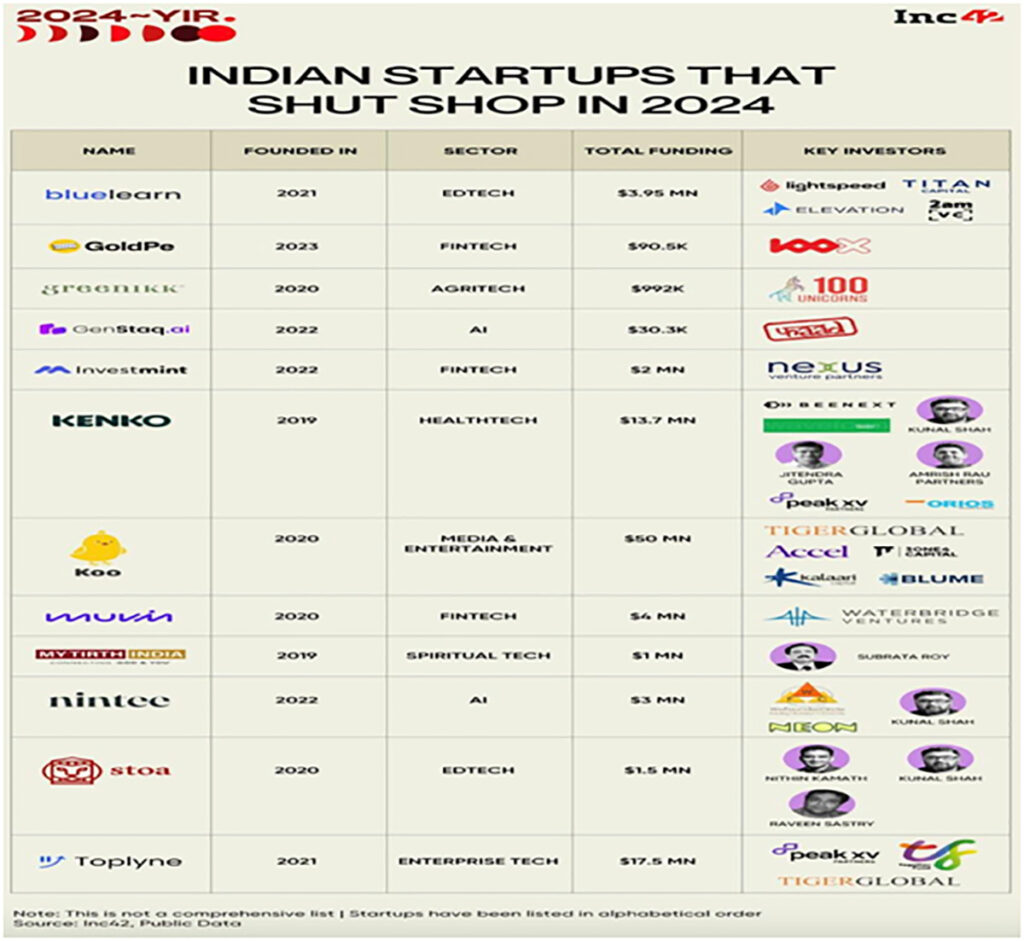
Analyzing consumer behavior helps in mapping market trends. However, shifts in consumer patterns, excess complaints, or unethical practices often lead to policy or regulatory changes. Organizations that fail to adapt swiftly to these shifts lose their competitive edge.
Moreover, consumer behavior often pivots toward essential goods over artificially generated demands during economic stress. Inflation, reduced purchasing power, sudden price hikes due to changes in taxation, or broader economic downturns can divert focus from discretionary products to necessities, leaving startups catering to non-essential markets vulnerable.
Conclusion
The journey from idea to execution, particularly for scaling a start-up in India, is laden with challenges but also offers tremendous opportunities. Regulatory complexities, cultural diversity, funding gaps, and the pressure to innovate all require strategic planning, flexibility, and persistence. However, the rise of India’s start-up ecosystem, fueled by a combination of entrepreneurial zeal and government support, presents an encouraging outlook for the future. Startups today are not just solving local problems but are also addressing global challenges, leveraging the dynamic interplay of technology, cultural adaptation, and market opportunities.As India continues to emerge as a global hub for innovation, future opportunities will be driven by emerging trends such as artificial intelligence and green technologiesas they poised to define the next wave of entrepreneurial growth. These sectors not only promise high growth potential but also align with India’s commitment to sustainability and global innovation goals.Startups that align their strategies with these cutting-edge technologies will not only position themselves for growth but will also contribute to the nation’s sustainability goals, making India a key player in the global startup ecosystem.
References
https://pib.gov.in/PressReleaseIframePage.aspx?PRID=2002100
https://www.investindia.gov.in/indian-unicorn-landscape
https://inc42.com/the-indian-unicorn-tracker/
https://ciicies.in/img/unicorn/Unicorn-Report.pdf
“Startup India Action Plan” Of DPIIT
“Indian Startup Ecosystem – 2021.” KPMG Nasscom Report.
https://mitpress.mit.edu/books/venture-capital-cycle
https://yourstory.com/2019/06/flipkart-journey-startup-story
https://www.emerald.com/insight/content/doi/10.1108/JIBR-11-2018-0194/full/html
https://bmr.sagepub.com/content/9/4/196
Gupta, N., & Chawla, S. (2019). “Understanding Start-up Failures and Ethical Challenges.” International Journal of Business Ethics.
“How Start-up Scams Are Affecting the Indian Ecosystem.” (2020). Forbes India.